


Developmentally Appropriate Support for Children Facing Challenges
Child Counseling in Upland for children experiencing emotional, behavioral, or social difficulties that affect their daily functioning
Children experiencing emotional outbursts, withdrawal, behavioral changes, or social struggles often lack the developmental tools to express what they are experiencing or why. Vazquez Counseling offers child counseling in Upland designed to meet children where they are developmentally, using age-appropriate methods to help them communicate experiences and build emotional awareness. Caregivers often seek this service when a child's behavior shifts noticeably, school performance declines, or family changes create visible stress.
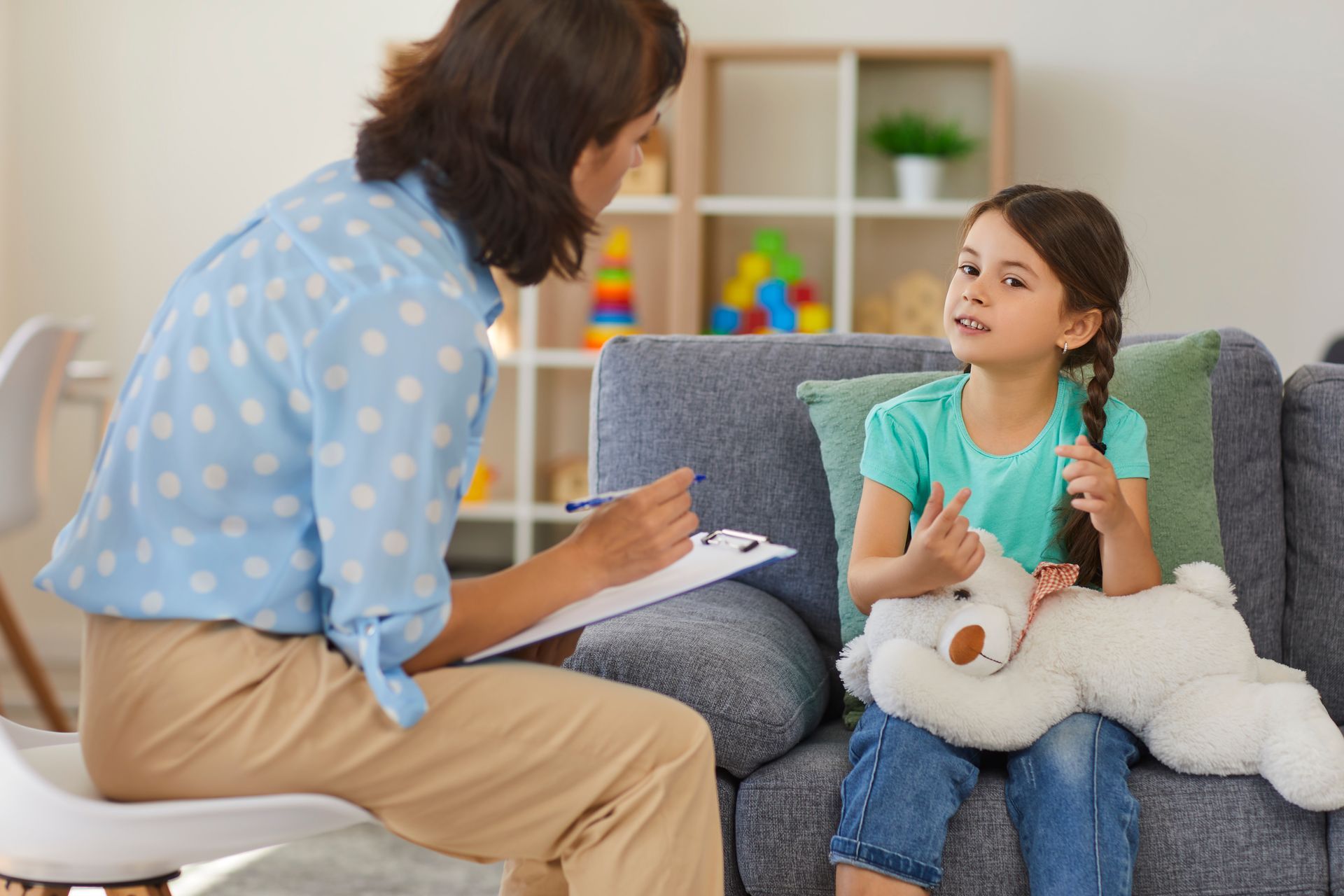
Child counseling sessions use play, creative activities, and conversation suited to the child's age and communication abilities to explore what the child is experiencing. The counselor observes patterns, helps the child identify feelings, and introduces coping skills in ways the child can understand and apply in their environment.
Arrange a consultation to discuss your child's specific challenges and determine whether counseling is appropriate for their needs.
What Proper Child Counseling Requires
Effective counseling for children requires understanding developmental stages and tailoring interventions accordingly. A five-year-old processes emotions differently than a ten-year-old, and therapeutic approaches must reflect that difference. Counselors trained in child development select techniques based on the child's cognitive, emotional, and social capacities, ensuring the child feels safe and understood rather than confused or overwhelmed.
Parents and caregivers typically notice gradual changes as counseling continues: a child may articulate feelings more clearly, show reduced anxiety around specific triggers, or demonstrate improved problem-solving in peer conflicts. These changes reflect the child's growing ability to recognize and regulate their emotional responses, though the pace and nature of progress depend on individual circumstances and the challenges being addressed.
Family involvement is often part of the process, particularly when home dynamics contribute to the child's struggles. Counselors may meet with caregivers to discuss observations, provide guidance on supporting the child outside sessions, or address family communication patterns that affect the child's well-being. This collaborative approach recognizes that children exist within family systems, and meaningful progress often requires attention to that broader context.
Common Questions Caregivers Ask About Child Counseling
Families throughout the area often have questions about how child counseling works and what it involves for their child.
What happens during a child counseling session?
Sessions involve age-appropriate activities such as play, art, storytelling, or structured conversation. The counselor uses these methods to help the child express experiences, identify emotions, and practice coping strategies in a supportive environment.
How do you determine what approach to use with my child?
The approach is based on the child's age, developmental stage, communication abilities, and the specific concerns being addressed. Younger children typically engage through play and creative activities, while older children may participate in more direct conversation and skill-building exercises.
Will I be involved in my child's counseling?
Caregiver involvement varies depending on the child's age and the nature of the concerns. Counselors often meet with parents to discuss progress, provide strategies for home, and address family dynamics that may affect the child's emotional health.
How long does child counseling typically take?
The duration depends on the complexity of the child's challenges, their developmental stage, and how they respond to therapeutic support. Some children benefit from short-term focused work, while others require longer engagement to address deeper or more persistent concerns.
What signs indicate my child might benefit from counseling?
Behavioral changes such as increased aggression, persistent sadness, social withdrawal, sleep disturbances, school avoidance, or difficulty managing emotions after a significant life event often indicate that professional support could be helpful for the child and family.
Vazquez Counseling supports families in Upland and surrounding communities through developmentally informed counseling tailored to each child's needs. Contact the practice to discuss your child's situation and explore whether counseling is an appropriate step.